
‘It’s plastic hidden in plain sight,’ says Ella Daish, founder of the #EndPeriodPlastic campaign. ‘Bags, bottles and straws dominate the plastic discussion; we don’t really think about period products. … Disposable period pads contain up to 90% plastic.”
Nina Notman in “Reduce single-use plastic, period”
Ladies and gentleman, this was exactly me few months ago. Gosh, for the 40 years that I menstruated, I never ever thought of managing menstruation without single-use disposable pads. Assuming I menstruated on average three days in a month and each day I used four pieces of disposable pads, during my menstruation lifecycle, I generated 5,760 pieces of period plastic!
Moreover, “while in a landfill, disposable pads are estimated to take 500 to 800 years to break down, and materials such as plastic never truly biodegrade.”
Megan E. Hamson & Nichole Tyson in “Menstruation: Environmental impact and need for global health equity”
What a disturbing thought it is for me to know for sure that the thousands of pieces of period plastic that I generated are among millions more generated by other women that are presently choking landfills in Uganda. After all, Uganda does not have the requisite policies and systems for effective safe disposal of used menstrual pads.
Such used pads with menstrual blood are currently mostly being disposed together with other domestic waste into garbage skips; from where it is collected and it ends up in landfills. And that is pretty much how I disposed of mine – together with domestic waste into garbage skip.
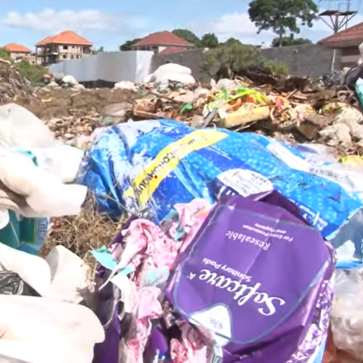
No doubt, in Uganda, we are in crisis already. In a month, the estimated 6.6 million menstruating Ugandan women and girls who use disposal pads, 52% of menstruating women in Uganda, generate an estimated 26.4 million pieces of single use non-biodegradable pads, period plastic, containing medical waste. And this harmful waste is mostly ending up in landfills.
Worse more, because of widely prevalent menstruation stigma in Uganda, this huge public health and environmental crisis is not being talked about. It may be too late for me, but it is not too late for millions of other women and girls in Uganda to adopt best practice by reverting to options that generate no or little waste and certainly no period plastic waste.
A good starting point for Uganda is to smash menstruation stigma and let’s talk menstruation and disposal of pads. We invite you to join us in this noble cause so as to stem the spread of diseases and to protect the environment. We need to talk about it in order to cause positive attitude and behavioural change towards menstrual hygiene management practices among Ugandans.

 CPAR Uganda
Leave a comment