

It dawns on me that the most eaten and preferred meals of my people of the Ateker first nations, atekerin, of Uganda, Kenya, South Sudan and Ethiopia have not changed much over the years.
Our base foods include:
- Cereals – millet, sorghum, maize
- Tubers – cassava and sweet potatoes
- Legumes – groundnuts, peas, lentils
- Assorted green vegetables
- Animal products are part of our base foods.
Ateker people of Teso, Nyangatom, Toposa, Turkana, Karamojong, Jie and Lango were traditionally pastoralists, hence the animal products in our diets.
Among my people, Iteso, the largest ateker nation of Uganda and the fourth largest first nation of Uganda, estimated at 3.1 million people, at any given meal one or more of our ateker base foods will feature. I believe this true also for the other atekerin.
Suffice it to surmise that it is likely these days most Iteso, especially in rural areas, have two major meals a day. And for those major meals – lunch and supper – the main food will be atap (ugali) made from a combination of cereals and tubers.
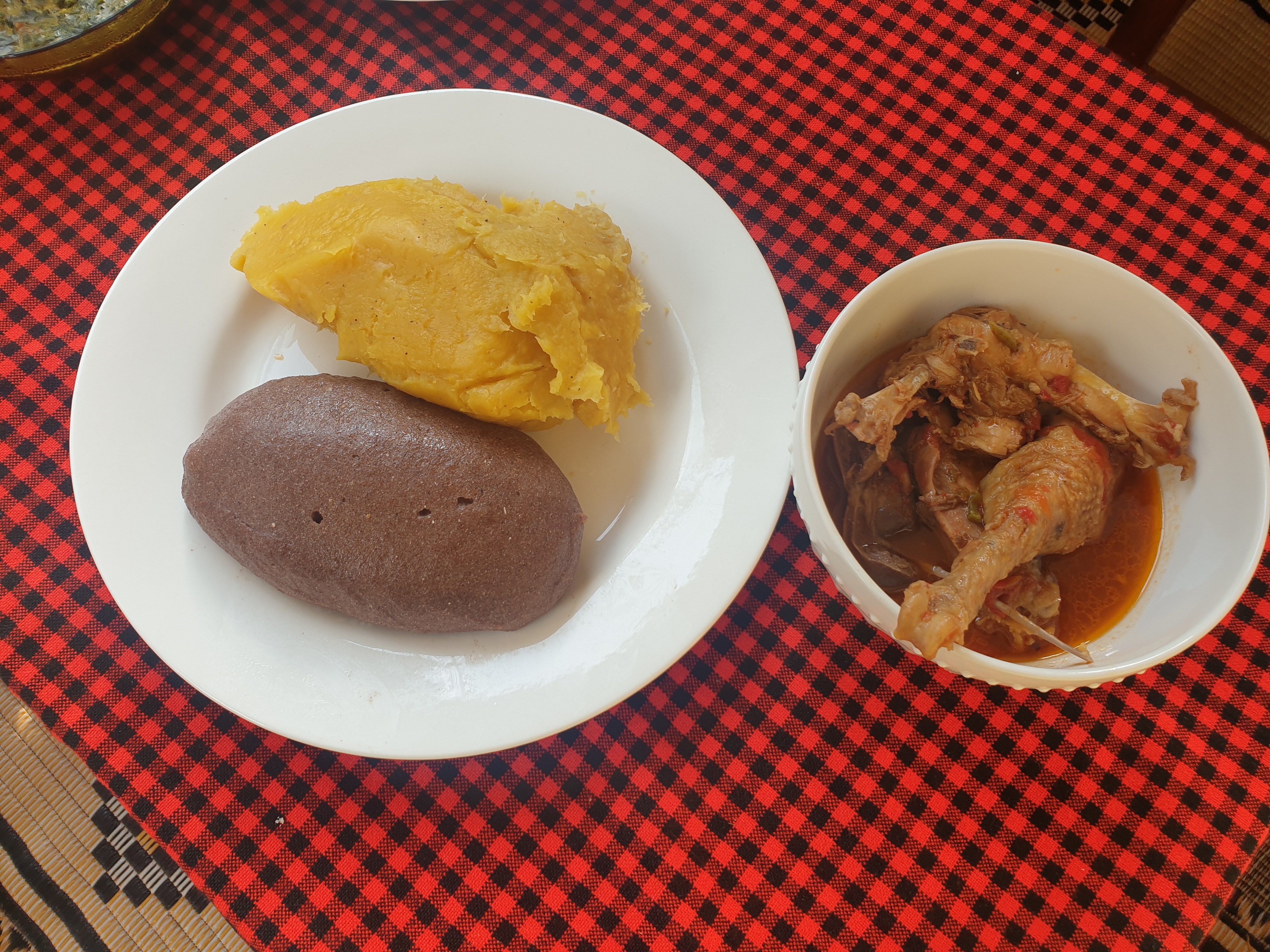
In the past the main meal of Iteso at lunch and supper used to be atap made from millet and that is why it is often referred to as millet bread, even though subsequently it be made of sorghum. Over the years, the combination of atap changed from only millet to:
- Millet and cassava
- Millet and sweet potatoes
- Millet, sorghum and cassava
- Millet, sorghum and sweet potatoes
- Sorghum and cassava
- Sorghum and sweet potatoes
- Cassava
- Sweet potatoes
You may have noticed that progressively the majority of Iteso are consuming less nutritious meals. Millet is the most nutritious of our traditional base foods and the less it is included in our meals these days, the less nutritious the meals. Read more of how Iteso food has degraded over the years.
While atap mostly remains the constant main food, at anyone meal it is accompanied with varying sauces made out of legumes – emagira (cow peas) and or groundnuts pasted sauces; and or animal products (meats, milk, blood, ghee) and or assorted green vegetables – eboo, atigo, ecadoi, ecomai).
In the past, it was rare for our main meals to be accompanied by the same sauce for the different meals of the day; and in some cases, in the week. Sadly, our rich foods of Iteso are disappearing and many of our younger generations have not had the opportunity to partake of some of them cooked in Iteso cuisine.
“Hon. Hellen Adoa on keeping Iteso culture alive through food” is an interesting read in this regard.
Incidentally, Iteso alcoholic beverages – bear and gin are made from the same foods used for preparing our main meals – millet and sorghum to brew ajon and cassava to brew waragi.
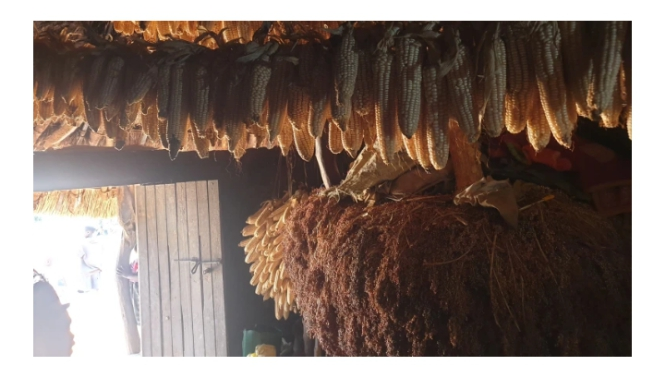
Iteso food preservation is primarily done through sun drying or indoor drying of cereals, legumes and vegetables; smoking meats; fermenting and transforming milk into soar milk and ghee.
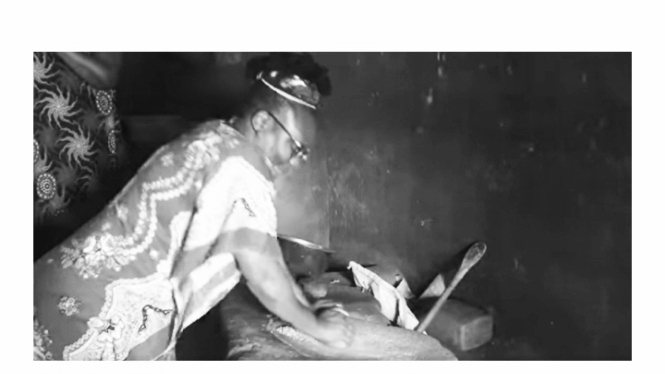
Iteso food preparation entails grinding and pounding cereals and tubers into flour for mingling atap, nuts into paste, peas and lentils into smaller bits for making sauces. In the past, a grinding stone and wooden mortars were a must for each household.
In these ‘modern times’, however, grinding stones and wooden mortars are rare at household level. They have been replaced by the less hygienic commercial motorized metal grinding machines at trading centers. I wonder if conversations will be had and concerns raised during the up-coming Ateker Festival to be hosted in Soroti City in Teso next week.
I wonder, specifically, if at the Ateker Festival our atekerin will reflect on and domesticate the United Nations Food Systems Summit Action Tracks:
- Action Track 1: Ensuring access to safe and nutritious food for all.
- Action Track 2: Shifting to sustainable consumption patterns.
- Action Track 3: Boosting nature positive production.
- Action Track 4: Advancing equitable livelihoods.
- Action Track 5: Building resilience to vulnerability from shocks & stress.
I wish so and that among that which will be included in the communique shall be matters to do with reviving, promoting and preserving our food sovereignty.
Featured photo: author on a tourist visit to Lorukul Village in Kidepo in Karamoja. In the matriarch’s big house grinding sorghum using the traditional grinding stone.

 CPAR Uganda
Leave a comment