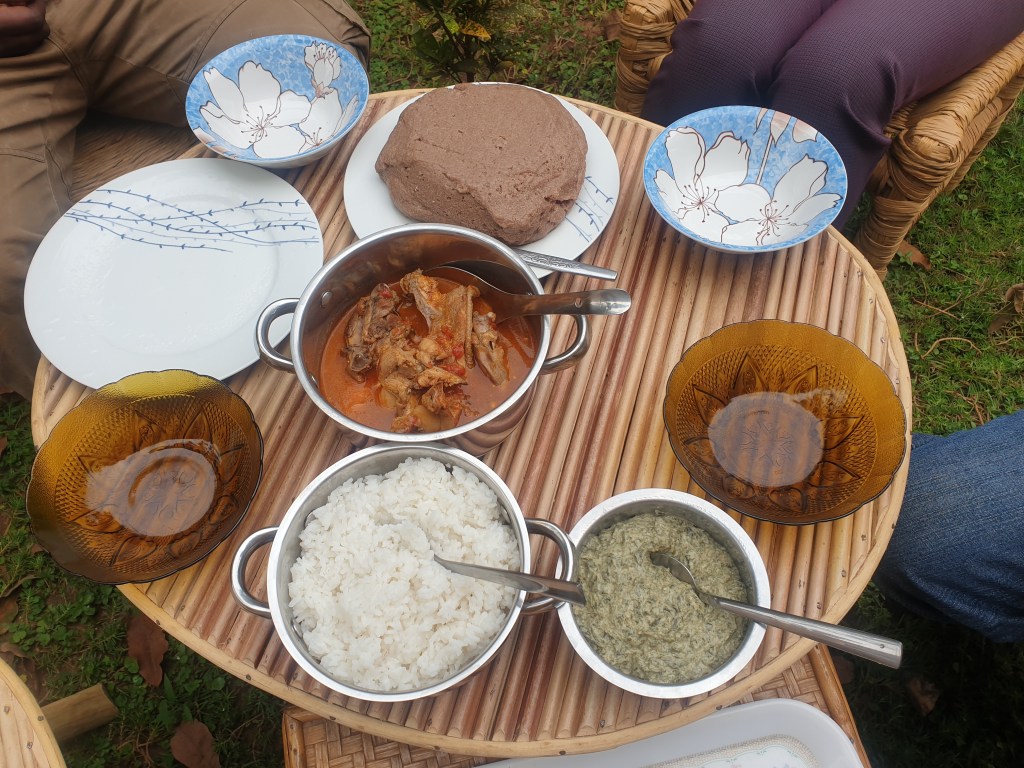
This past week, there has been an uproar about a story published in the media that reported empirical research findings had linked Ugandan traditional staple foods to increase in Type 2 Diabetes afflictions among Ugandans.
Members of the Uganda Diabetes Association (UDA), seemingly mostly medical doctors, characterized the media story as “peddling alarmist and unscientific misinformation, that is grossly erroneous and dangerously misleading.”
UDA went further to describe the research findings as based on “social perspectives” as opposed to “scientific data”; and “lacked peer-reviewed evidence.” UDA then advised “media platforms must exercise caution when reporting on health issues.”
The media house that first published the story, has since recanted. It published another detailed one in which it clarifies Ugandan staple foods are the recommended “nutrient rich foods offering health benefits.”
And it rightly named mostly imported foods and cuisines of exogenous origin, which are gaining popularity, but are not consumed by the majority of Ugandans as contributors:
“The biggest culprits are refined carbohydrates such as white rice, wheat products – bread, chapati, cakes, mandazi, samosas, pasta, pizza and sweets; table sugar – packaged in drinks like soda and juice.”
A cursory reading of the presumed paper published in the British Medical Journal did not immediately reveal how the eleven authors, academics, led by Dr. Juliet Kiguli had overtly and explicitly asserted causation of diabetes by Ugandan staple foods.
However, hypocritical imperialistic undertones, the onslaught against African Uganda culture, branding it inferior; in some cases, likely sub-consciously and from an insufficiently informed perspective, could be decoded from the paper.
The mention of kalo, case in point, was deceptive, misguiding, if one has insufficient understanding of Ugandan cuisine. When not eaten as porridge, consumption of kalo is so versatile and dynamic in the range of sauces and other foods it is paired with.
Similar as rice is paired with various sauces in the Indian and Chinese cuisine; and Bread in the Sudanese cuisine. Nothing really unique about kalo as a staple, that is different from other staples elsewhere; perhaps more nutritious though, if of millet.
Polygamy also made it into the paper. Ain’t that a bit of a stretch to infer it as a contributor or determinant of food consumption behavior that puts men at risk of getting afflicted with diabetes?
Then there was the whopper, branding Ugandan women as naive, with insufficient wisdom to know better than to “prepare unhealthy food for their husbands in order to retain a husband.” As in rather a diabetic husband?
The sample size for the paper was 45 people, whose perspectives were relied on by the authors and extrapolated to hold true for about a million people, the combined populations of Busia and Bugiri; and by extension Uganda’s nearly 50 million people.
Is the sample size of 45 people sufficient, in this context?
The bigger questions though:
Why did a peer reviewed journal, British Medical Journal, owned by the British Medical Association, clear for publication an article based on research findings that UDA finds relied on “social perspectives” not on “scientific data”; and “lacked peer-reviewed evidence?”
Did the Uganda National Council for Science and Technology (UNCST) okay and approve the research study that generated findings lacking in “peer reviewed evidence?
Is UNCST functional truly in fulfilling its “coordination of research” role?
“UNCST plays a crucial role in coordinating research and development activities across the country, ensuring that research efforts align with national priorities and contribute to development goals.”
Many questions such as these and more need to be asked and answered.
This incident should not be taken lightly, nor should it be considered an outlier. An entire editorial team of the major Government owned media house, did not stop it, but amplified knowledge that is “dangerously misleading.” How did we get here?
 CPAR Uganda
Leave a comment