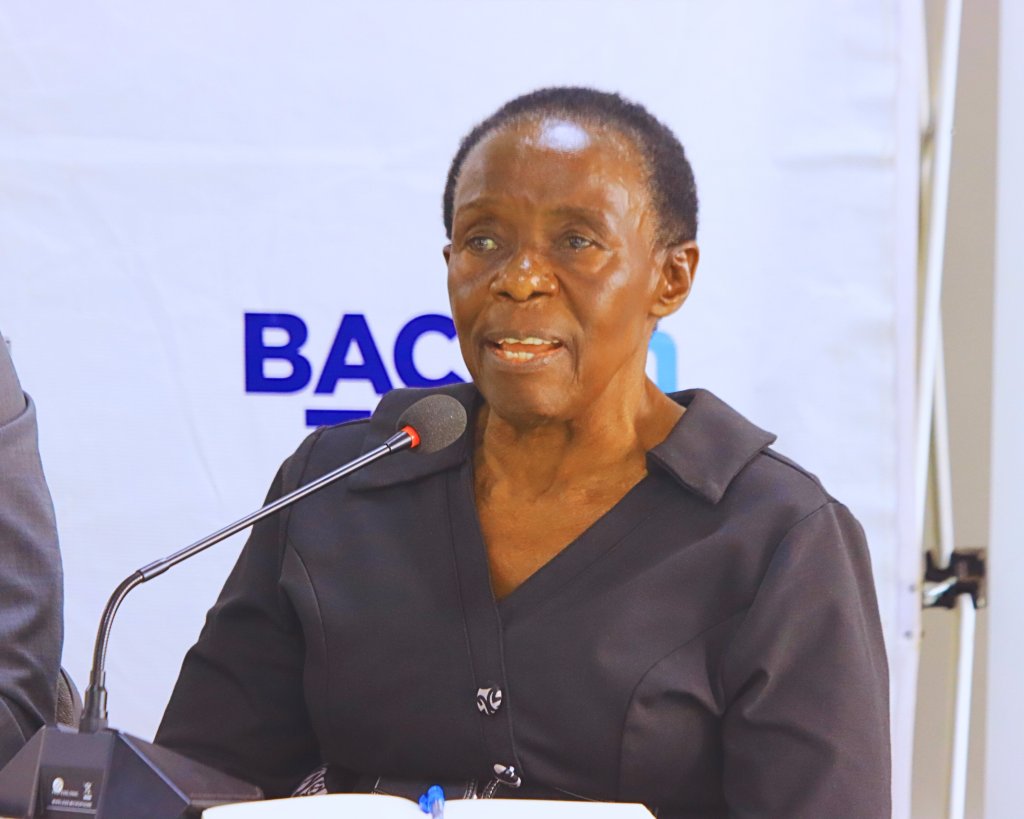
“Corruption is a word that hides stealing. The real word of what is going on in Uganda is thieves. People in leadership positions who are thieves. The word corruption makes you feel you are not very bad, you are only corrupt, you are not a thief. Stop stealing public money, public things and things will be alright. We need to fight corruption in our society. Each one of us from yourself first. Fight it out of yourself. Don’t do dirty things and expect your children will do different. Clean yourself – your way of life and you will bring up responsible citizens.” Retired Major Gertrude Norah Nanyunja Njuba,
Retired Major Njuba is the State House Director of Land Matters and Presidential Advisor to President Museveni on Political Matters.
Her views on corruption, quoted above, were part of her submissions during an X-Space hosted by Counsel Elison Karuhanga (@elisonk), as part of the ongoing “Judicial Service Conversations” series.
How so simple and humble, but so profound her views on corruption. Very relatable to our every day lives. Simply put, we are part of the problem and or contribute to the problem, by not effectively calling it out for what it is.
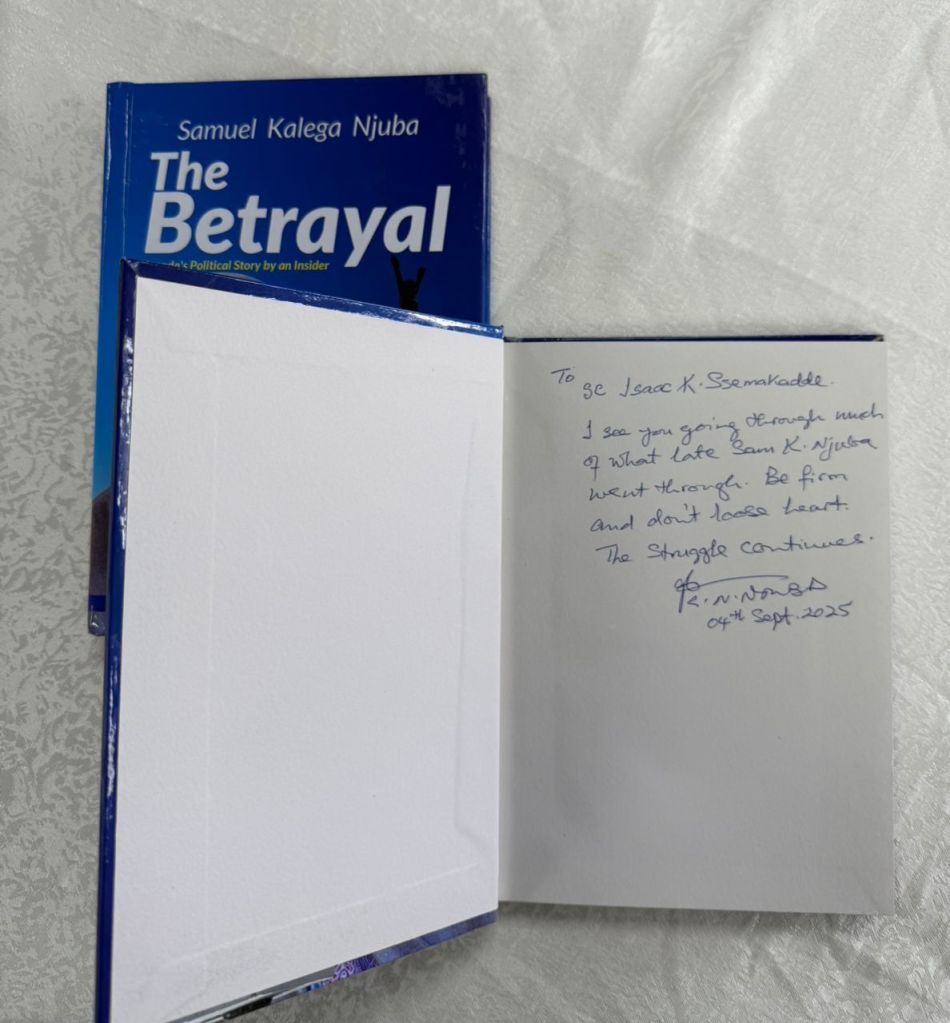
I honestly do not think that the word “corruption” can easily be translated into the languages of our first nations of Uganda, without actually using the word for “thief” or “thieves” in those languages.
And the Retired Major is right, when stated as “thief” or “thieves” the message is clear. It is even the more powerful, when it is said in the languages of our first nations.
Such as, for example, of the Iteso, the fourth largest first nation of Uganda. The language of the Iteso is Ateso, and in Ateso, a male thief (singular) is “ekokolan”; a female thief (singular) is “akokolan” and thieves (plural) is “ikokolak”.
Therefore, within the central-logic of the Iteso mindset, fully appreciating and understanding the meaning of “corruption” is difficult; whereas, understanding “thief” or “thieves” is directly easy.
During the X-Space, when she was asked to enlighten us on who she is and how she identifies, she left me amazed and thrilled. After all, I am a cultural anthropologist.
She explained that who she is can easily be deduced from her name. Gertrude and Norah denote she was born into a an Anglican Protestant family; Nanyunja identifies her as born into a family of the Monkey Clan of the Buganda Kingdom; and that she married Njuba.
I loved how she exemplified the power of a name and how she is comfortable in her name. That she went ahead to share the date of her birth, 1994, says a lot about her wisdom and genuine women empowerment.
This year, in November, she will be 81 years of age. If she had not shared her date of birth, I would never figured her age.
I couldn’t tell he age for while she submitted, she was articulate and did so with a strong and yet melodious voice.
Okay, back to the point. I agree with Retired Major Njuba that in order to solve the problem, we must spell it out for what it exactly is.
And so, henceforth, I will strive to use “corruption” less and deploy “thief”, “thieves”, “ekokolan“, “akokolan“, etc. in its stead.
 CPAR Uganda
Leave a comment