Last month, under our CPAR Uganda Dr. Paul Hargrave Memorial Centre Human Development Project we are jointly with Canadian Physicians for Aid and Relief we conducted our first CPAR Youth Media Training.
Post the training, I had the chance to tag along with the best in the business, and who CPAR Uganda contracted to conduct our youth media training.
The experts went to the field, on contract from another of their clients, a corporate client, to verify ‘traditional research’ findings and to tell an accountability story using photography and videography.
While in the field, I was amazed to note that exactly how they trained our media change agents to do behavioral change communication is how they themselves were doing so for their corporate client.
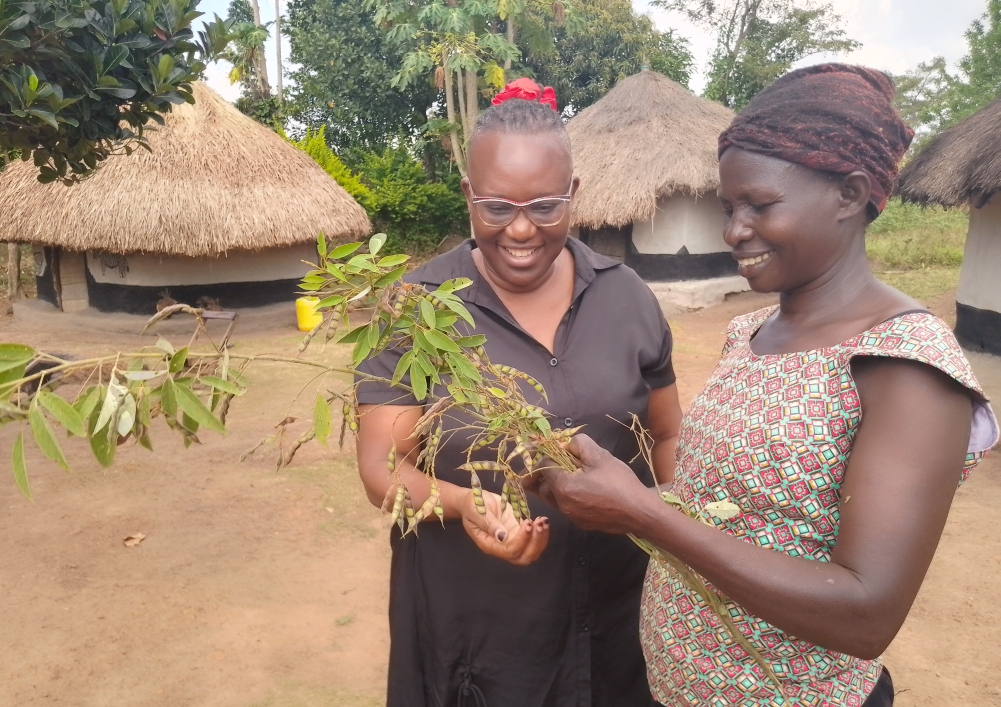
I had the privilege to watch and observe the masters at work. Capturing true stories and in a manner that prioritized the dignity of beneficiaries of the intervention the corporate client had funded.
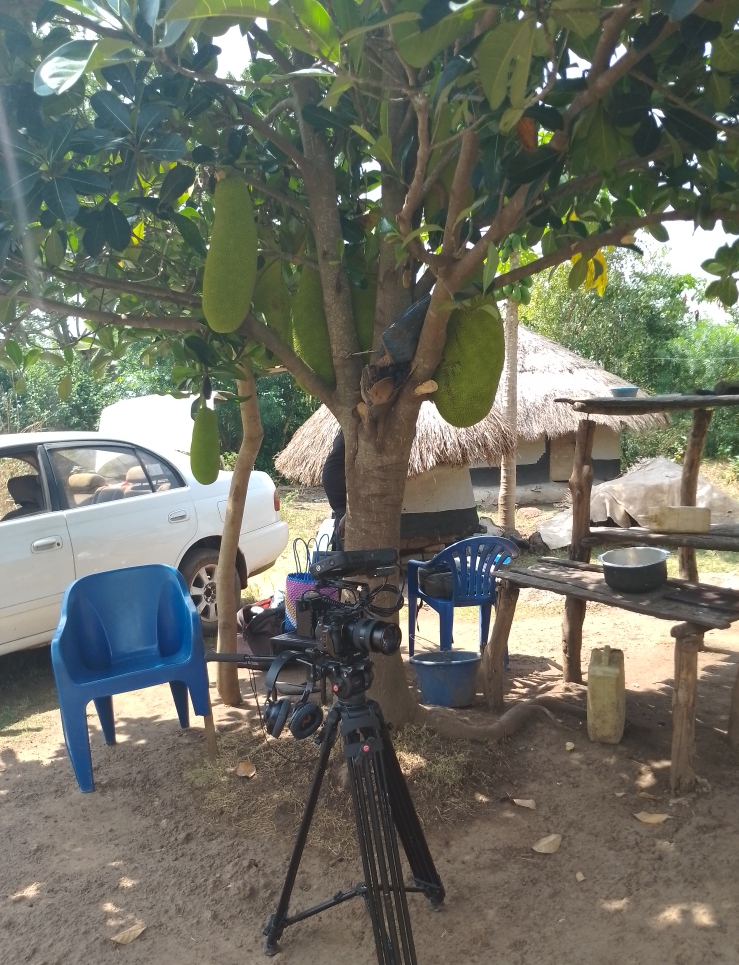
The Photography and Videography Expert in the field worked from a script that I presume was pre-prepared with the rest of his team, likely with the Behavioral Change Communication (BCC) Specialist of their team in the lead.
It is then that I fully appreciated the intensive training weeks of the CPAR Youth Media Training, during which the BCC Specialist labored to inculcate in our learners, in theory and practice, the importance of getting it clear in a BCC’s mind what story they want to tell, before actually generating images and videos.
The importance of a BCC being intentional in photography and videography storytelling, with a clear mission of what the story should be and how the story should impact and trigger behavioral change, before the images are captured.
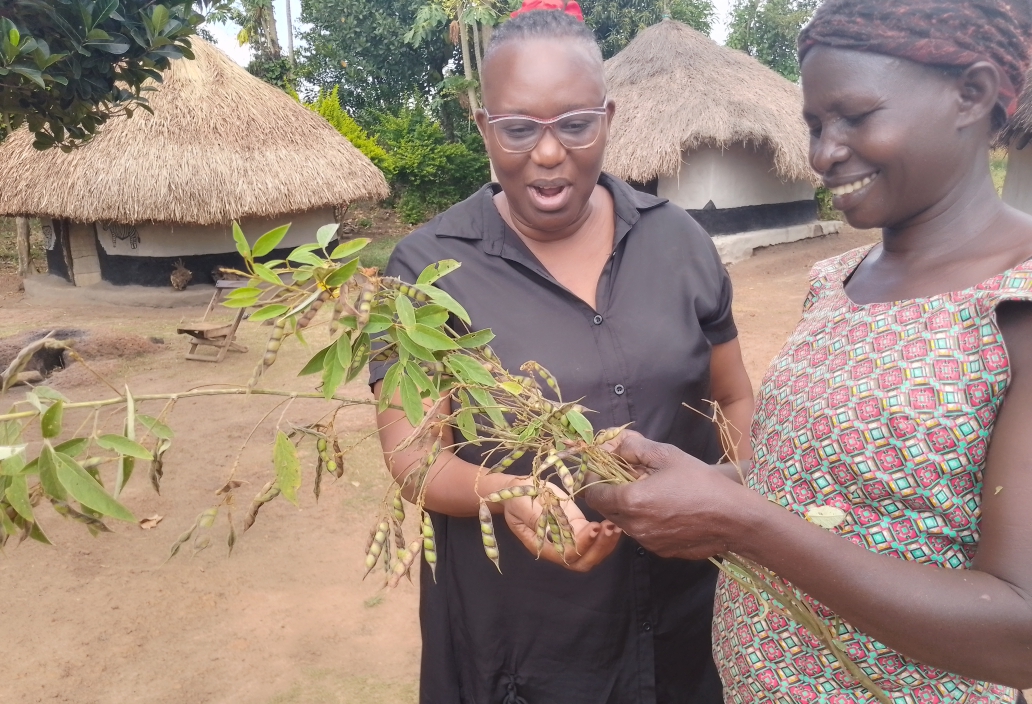
I loved watching and observing the Photography and Videography Expert make the beneficiaries comfortable with the technology and to confidently tell their stories themselves on camera, while speaking a language that they are most comfortable with, the language of their first nation.
I hear you ask: “What does this story have to do with today’s daily writing prompt “which cities do you want to visit?” And with the title of this blog post “The new cities in Uganda.”
You see, the fieldwork that I observed was conducted in a peripheral village only a 30-minutes drive from the center of one of the new cities of Uganda. Not far really.
The difference once we got off the tarmacked road was huge.
The quality of life of our ‘fieldwork hosts’, is the kind often wrongly categorized poor, needing modernization; but in many ways is better than the quality of life of ‘new city’ dwellers, especially the urban poor living in slums.
It is the dry season right now, with scotching hot double-digit temperatures the order of the day.
For most in the city they are living in tiny spaces in concrete-walled-tin-roofed houses that during the dry season are unbearable to be in during the day and even at night.
While, our hosts in the peripheral village to the city are living in much larger spaces and in more weather appropriate houses.
Their homesteads are the epitome of sustainable organic food systems in which they themselves are in control of the food that they eat from seed to mouth.
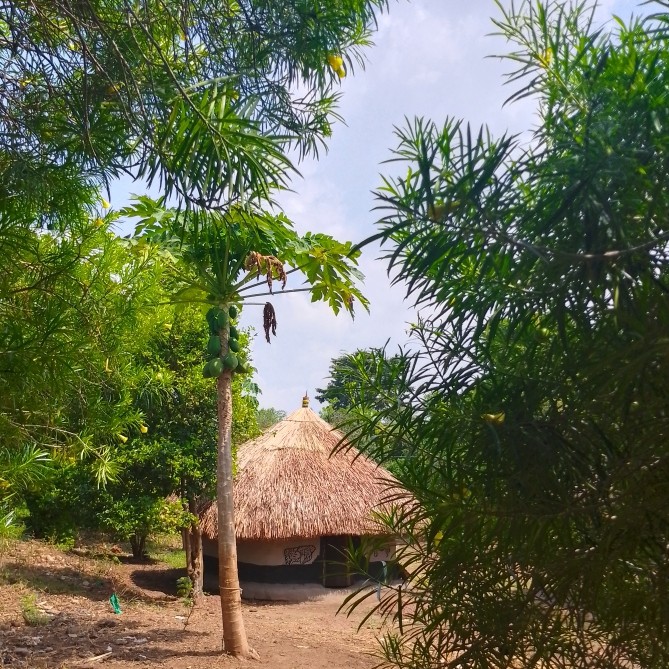
Their way of life, often wrongly categorized backward should actually have informed the design of our cities.
But, instead, our cities are designed in a manner informed by exogenous knowledge and seemingly ignores our indigenous knowledge systems.
So, yes, I want to visit all the 10 new cities of Uganda operational since 2020:
- Arua
- Mbarara
- Gulu
- Jinja
- Fort Portal
- Mbale
- Masaka
- Lira
- Soroti
- Hoima
My visits are intended to generate debate on the proposition and thesis: “the design of our cities necessarily needs to be based on our indigenous knowledge systems.”
Including but not limited to architecture and the central logic of the first nations of Uganda as it applies to homesteads.
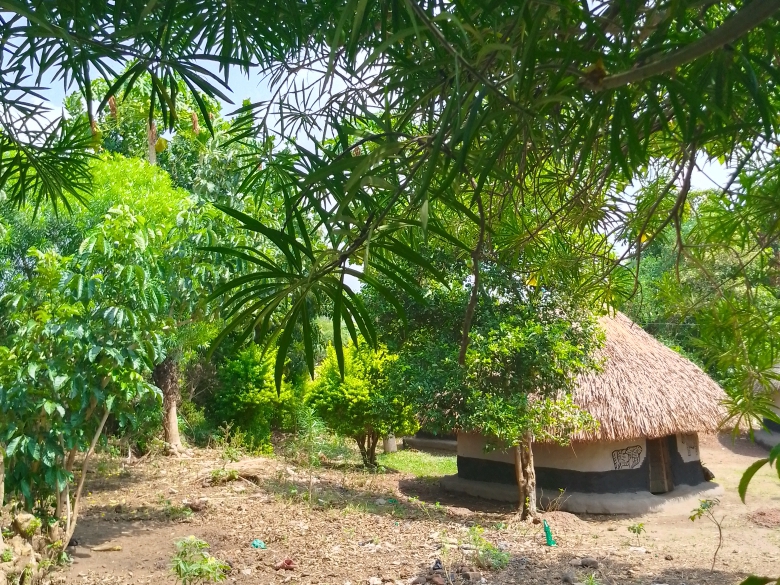
I also like that through this blog post I have the opportunity to share some insights of where we, at CPAR Uganda, work.
With communities that live in peripheral villages to cities and urban centers, contributing towards enhancing their quality of life through facilitating and stimulating self-reliant participatory development processes.
Please CLICK HERE here to learn more and support the work of CPAR Uganda, building healthy communities. THANK YOU.
 CPAR Uganda
Leave a comment