
It is believed a major challenge in controlling tuberculosis (TB) in Uganda is insufficient reliable data or information which can be utilized to inform policy.
It is on this assumption that CPAR Uganda’s theory of change (TOC) for the fight against TB is collect empirical data which documents the barriers that hinder eradication of TB in Uganda.
Logic follows that such empirical data once collected, documented and analyzed can be a sound basis on which to engage policy makers, with the view of influencing them in a conciliatory manner.
Encouraging the translation of research innovations into policy and practice; increasing and improving Uganda’s chances of joining those nations that have eradicated TB.
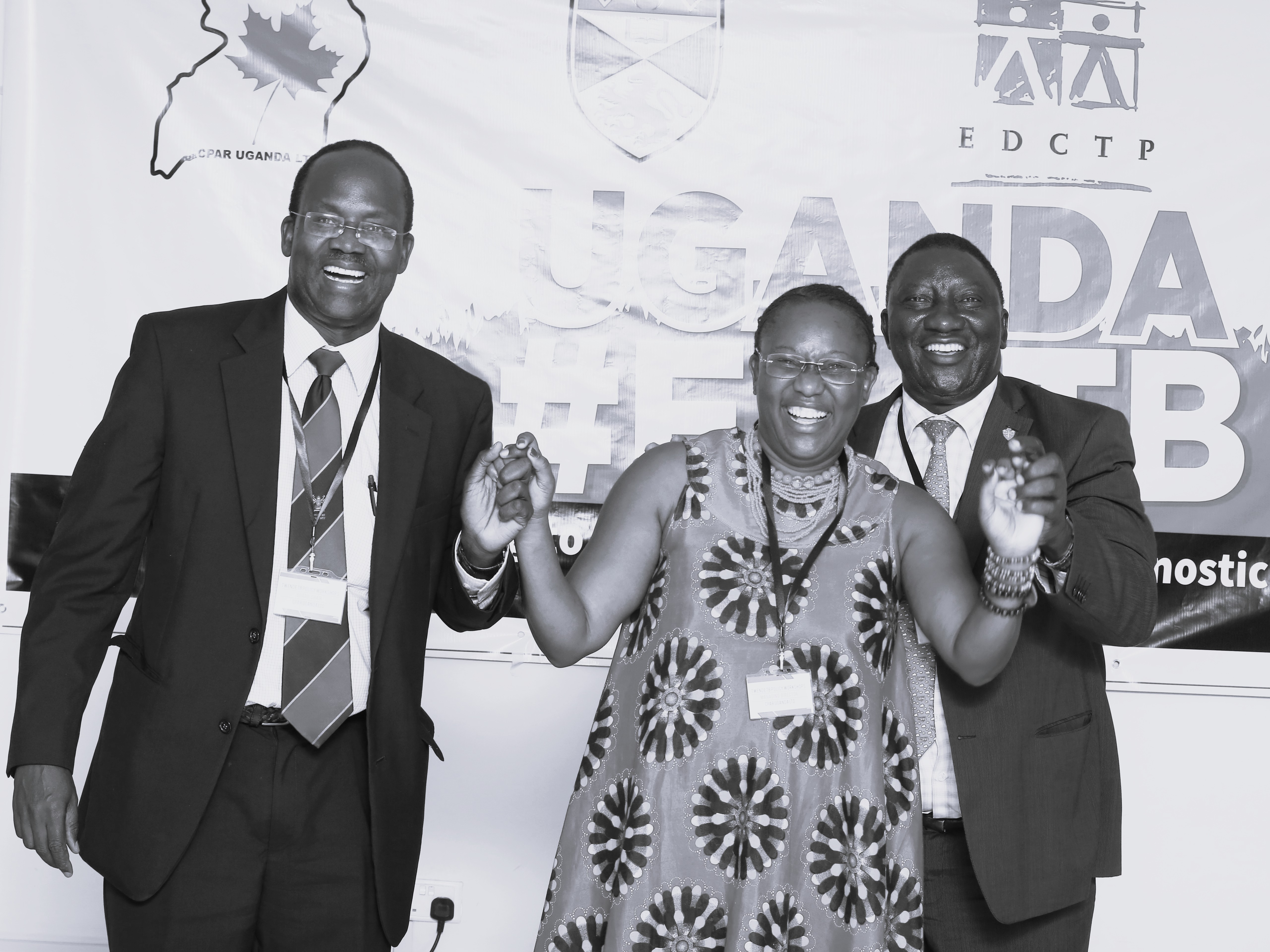
Led by Ms. Norah Owaraga, our Managing Director, a Cultural Anthropologist; and with the support of Prof. Christopher Garimoi, Board Chair of CPAR Uganda and in his capacity has a professor of public health, during 2016-2017 CPAR Uganda will collect empirical qualitative data on the state of TB in Uganda.
On the basis of rigorous analysis of the data that it will collect, researchers linked with CPAR Uganda will author research reports, articles and opinions for publication in academic journals and in the media.
The researchers will also use the data to author policy backgrounders and policy briefs, which documents will form the basis for CPAR Uganda’s engagement with Uganda’s policy makers and implementers.
Policy dialogue sessions are planned and the media shall be utilized for targeted advocacy for policy development and or revision; or for good policy implementation.
CPAR Uganda is confident that its theory of change will hold true
Its research study shall significantly contribute to bridging Uganda’s gap of insufficient availability of reliable data on TB for policy making and implementation; and will contribute to breaking the cycle of Uganda’s TB burden.


Leave a Reply