It is difficult for me to pin point the one most expensive personal thing I have bought. But, certainly, it is in the pursuit of knowledge. Including giving others a personal gift of knowledge – paid school fees, bought a book or invested time in training and mentoring others; and in the process I too enhance my personal knowledge endowment.
Yes, in our part of the world, good educational books, materials and access to knowledge are prohibitively expensive, it does not make sense at all. Households have been known to sell off productive assets, like land, in order to cover cost of access to education.
It is no wonder, yesterday, during a baseline survey session with the first cohort of Media Change Agents in training, insufficient income to cover cost of school fees is among reasons why they rated the quality of life of their households as average.
Yes, eleven youth from diverse backgrounds are resident current at our Dr. Paul Hargrave Memorial Center in Lira City in Lango Sub-Region in Northern Uganda undergoing our CPAR Youth Media Training over a period of nine months.
Cultural Background of Media Change Agents in Training Cohort 1:
- Pokot – a community of over 203,000 people living in districts in Karamoja Sub-Region in North-Eastern Uganda, sharing a border with Kenya; in this case, Amudat District.
- Karimojong – a community of about 588,000 people living in North-Eastern Uganda, in Karamoja Sub-Region; in this case Abim and Nakapiripirit District.
- Langi – a community of over 2.7 million people living in Northern Uganda in Lango Sub-Region; in this case, Apac, Kwania, Lira and Kole Districts.
- Iteso – a community of over 3.1 million people, the fourth largest first nation of Uganda, who predominantly live in North-Eastern Uganda in Teso Sub-Region; in this case Soroti and Pallisa Districts.
- Banyankore – a community of over 4.2 million people, the 2nd largest first nation of Uganda, who predominantly live in South-Western Uganda in Ankole Sub-Region; in this case Isingiro District. Be that as it may, the media change agent in training is resident and working in Omoro District in Acholi Sub-Region in Northern Uganda.
- Buganda – a community of over 7 million people, the largest first nation of Uganda, who predominantly live in Buganda Kingdom in Central Uganda. Be that as it may, the media change agent in training works for an organization implementing programs in Lira City.
For more on Uganda’s indigenous communities CLICK HERE and read: “Uganda’s Indigenous Communities as at 1st February 1926 and 2024 Population Census.”
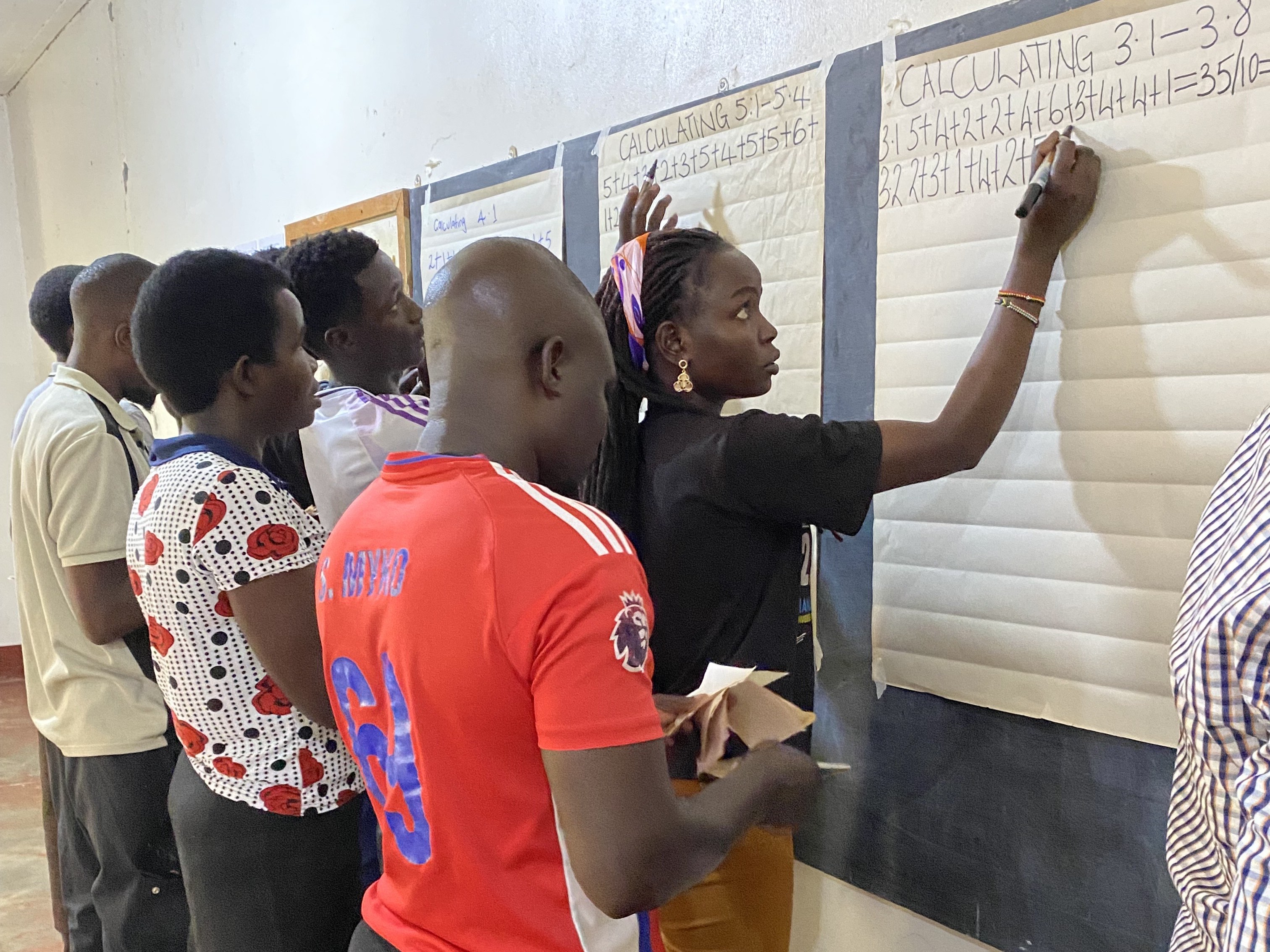
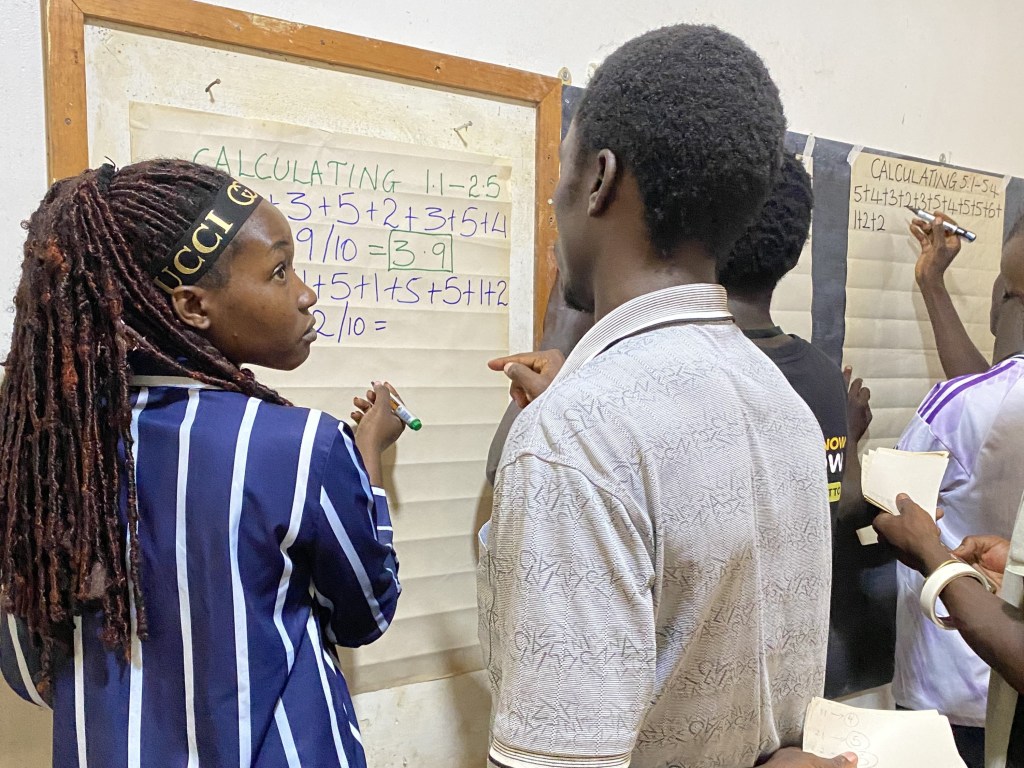
I introduced them to a tool intended to facilitate self-assessment and identification of gaps needing attention. Although the tool is originally designed for organizations to self-assess, I adapted it an invited our youth in training to self-assess their households.
Applying the Organisational Capacity Assessment Tool (OCAT) to their respective households, they gave the statement “My household lives a good quality of life” a 3.9 score.
For context, the scoring scale of the OCAT that we use is:
- 0 = Do not have enough information to make a judgement.
- 1 = Needs urgent attention and improvement.
- 2 = Needs attention.
- 3 = Needs improvement on a fairly wide scale, but not major or urgent.
- 4 = Needs improvement in limited aspects, but not major or urgent.
- 5 = Room for improvement.
- 6 = No need for improvement.
A score of 3.9 confirms our first cohort of Media Change Agents in training are from diverse backgrounds. With some living in insufficient households that “need attention” and others in households that are fairly sufficient with some “room for improvement.” Yes, the scoring ranged from 2-5; hence an average 3.9 score.
“I live alone. It is all of me. If I want to study further, I have to find the money to cover my school fees,” testified a trainee. While another shared: “I live in my mother’s household with our family, Medication is expensive and sometimes we even fail to cover our medical costs, let alone cost of education.” And another: “My passion is to be a media practitioner. But I could not afford to study for it, because it is expensive to do so. I first did another course which I am using to earn money that will enable me to afford my passion.” The crosscutting issue, among the major determinants of access to education, food security was all brought up. “For me it is our inability to have the right amount of food and a balanced diet that explains my score that my household needs attention,” testified a trainee.
For more knowledge on the issue of food security in Uganda, CLICK HERE and read “State of Food Security in Uganda.”
How do you value the time you invest in writing a blog post, such as this; content and knowledge creation? Do you deduct some of the knowledge production costs? For example if: in the process of knowledge generation, such as writing this blog post, you learned and enhanced your own endowment; and enjoyed doing so?
Profiled photo @ CPAR Media Change Agents in training participate in OCAT calculations of the survey to establish a baseline of their journey on our Dr, Paul Hargrave Memorial Centre Human Development Project.
CALL TO ACTION: Please consider supporting our human development work. CLICK HERE to learn more and to make a donation


Leave a Reply