Before we list our top five grocery store items, let us first express our incredulity that each one of them can be grown and available all year in Uganda, but apparently, in Uganda we are consuming large quantities of them from exogenous supplies – from the East African region primarily – Kenya and Tanzania.
Listening to news on Radio One FM 90 today, we heard a soundbite of Mr. Julius Mukunda of the Civil Society Budget Advocacy Group (CSBAG). He decried “structural state deficits” driven by our nations food trade policies that have allowed an inflow of food items, which in turn has negatively impacted on Ugandan smallholder farmers.
Mr. Munkunda seemingly advocating for state protectionists measures as a means of ensuring food security in Uganda by reducing on importing food items such as:
- Tomatoes
- Onions
- Carrots
- Eggs
- Beans
- Rices
Food items that often feature high on our grocery list.
We hope that Mr. Mukunda’s advisory will stimulate positive reaction and action from the State. Uganda is known for being gifted by nature and is able to grow fruits and vegetables all year round.
Inability to afford food is among the major reasons why a significant percentage of households in Uganda are food insecure. It is feasible that the inability to afford food is caused by inadequate own food supply.
CLICK HERE to read more about the State of Food Security in Uganda.
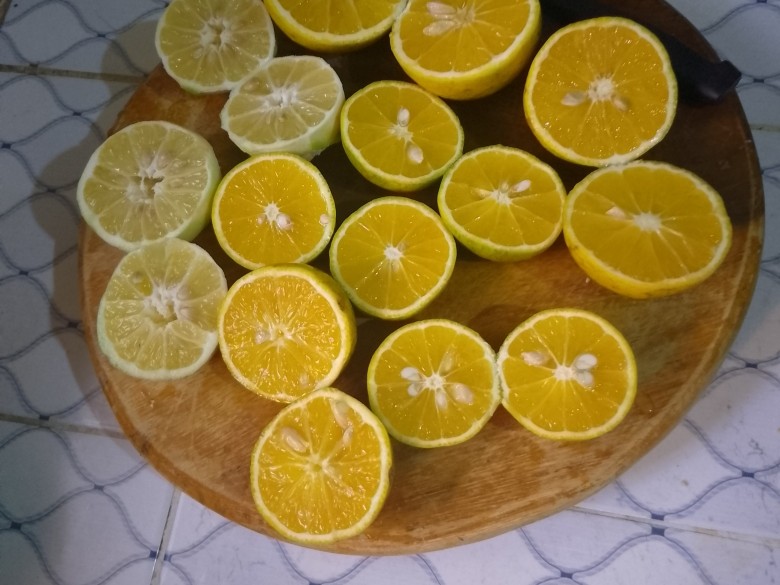
Featured photo, freshly harvested oranges from the front yard of our Dr. Paul Hargrave Memorial Centre in Lira City.

 CPAR Uganda
Leave a comment