
According to the most recent Uganda National Household Survey, 75% of households in Karamoja are food poor. They are unable to access the right quantity and quality of food. In 2023, the situation, sadly, is worsening due to negative effects of climate change, in part.
“A significant number of households have watched their gardens wither as early as May 2023. Now, coupled with continued loss of livestock, we are expecting the situation to deteriorate further.”
Lomuria Betty in Karamoja
 A maize garden in Lotisan Sub-County, just one of the many that dried up in 2023 throughout Karamoja.
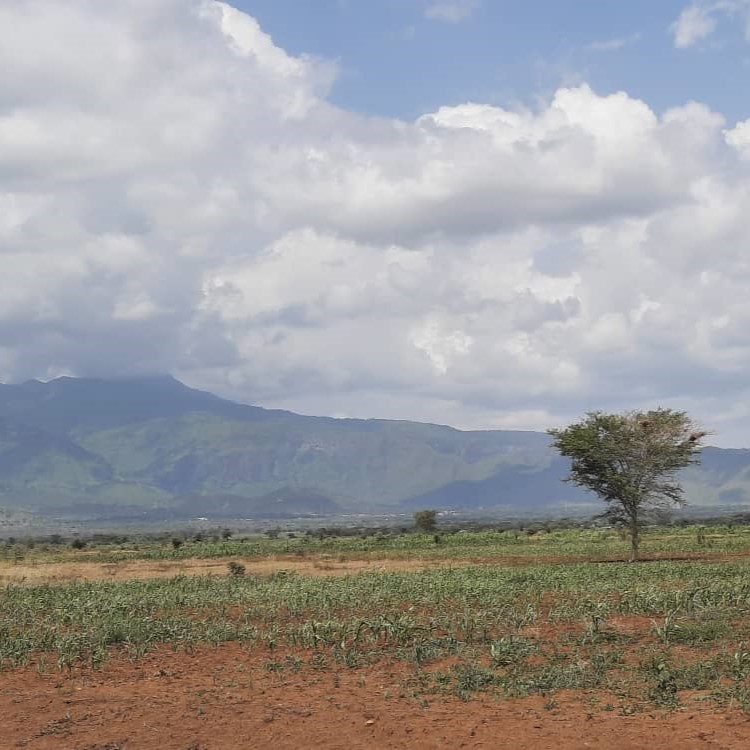 A sorghum garden in Lotisan Sub-County, just one of the many that dried up in 2023 throughout Karamoja.
Maize and sorghum are major subsistence staple foods for Karamoja. The people of Karamoja, like the rest of Ugandans, depend on rain-fed agriculture. In 2023, as they have done always, they worked hard to open the land, till it and planted their food crops.
But rain patterns and volumes in Karamoja have since changed. Sometimes, the rains are too much and cause destructive flooding instead. The periods of drought in Karamoja are increasingly longer and hotter.
“The ‘Impacts of Climate Change on Food Security and Livelihoods in Karamoja’ study, conducted in 2016, found that temperatures have been rising in Karamoja over the last 35 years. The rising temperatures threaten to increase the frequency, intensity and duration of heat waves in the region, therefore reducing availability of water for crops and animals.”
United Nations World Food Programme
We, at CPAR Uganda, appreciate that alternative livelihoods can never be enough to replace crop farming and pastoralism as the main source of food for households in Karamoja. However, it is prudent that women of Karamoja are enabled to engage in alternative livelihoods.
They need to earn incomes that they can use to buy food for their families in the event of crop failure and loss of animals due to adverse climatic conditions for which they singly don’t have control over. It is within this logic that CPAR Uganda proposes our “Poor enterprising women’s loan fund and financial literacy” project for the greater northern Uganda.
We would love to read from you on whether you think or not our CPAR Uganda proposition is valid. What is your view on what is the best way to urgently intervene in Karamoja in order to reverse the situation of food poverty?
Thank you!
++++
Please also help to focus attention on the plight of the people of Karamoja by sharing this post to others in your wider networks.
All photos published in the post were shared by Lomuria Betty – including the profile photo of a maize garden dried up in Tapac Sub-County.


Leave a Reply