
Human Resources
From July 2025 to December 2026, against significant odds, CPAR Uganda Ltd achieved a 100% success rate in conducting the planned eight training courses under its Dr. Paul Hargrave Memorial Centre Human Development Project.
And a 68.3% success rate in training 123 change agents of the targeted 180.
Research Change Agents trained
Two 11-days residential training courses were conducted. Training a total of 22 youth (12 men and 11 women). Except one who was 44 years, the beneficiaries were aged 20-35 years.
The original target was to train 30, and so a 73.3% success rate was attained.
Media Change Agents trained
Two residential training courses were conducted. The first three-weeks and the second, 11-days. The two courses trained a total of 35 youth (29 men and 6 women). Except for one who was 46 years, the beneficiaries were aged 20-33 years.
The original target was to rained 50, and so a 70% success rate was attained.
Self-Reliant Participatory Development (SRPD) Change Agents trained
Four 11-days residential training courses were conducted. Training a total of 66 youth (35 men and 31 women). Except for six who were aged 40 years and above, the beneficiaries were aged 17-37 years.
The original target was to train 100, and so a 66% success rate was attained.
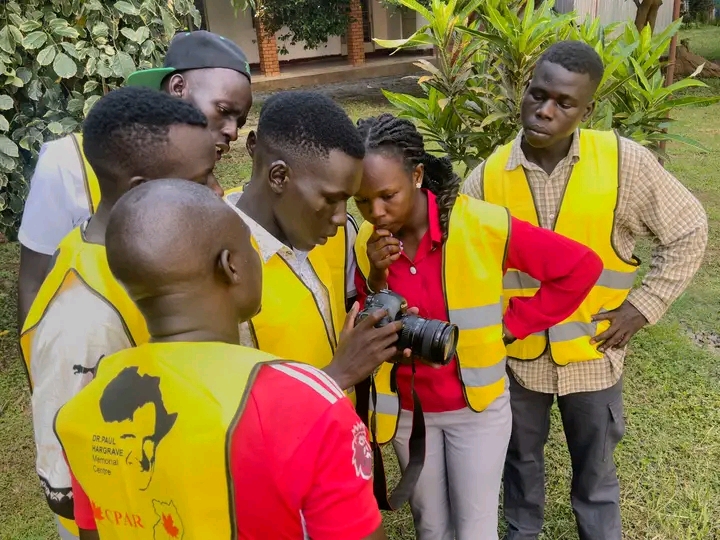 Cohort 4 – Media Change Agents in training – Photography Masterclass in Session.
Development Agenda
“Stimulate the development, dissemination and widespread application of technologies that are suitable and adaptable for Uganda” is the mission of CPAR Uganda.
Within the context of our mission, therefore, it is our expectation that project trained change agents are a valuable human resource within their respective communities.
That project trained change agents are already catalyzing change processes – guiding, facilitating and supporting innovation and application of technologies for the greater good of their respective communities.
Geographic Coverage
CPAR Uganda’s strategic geography of operation is Greater Northern Uganda – covering the sub-regions of West Nile (inclusive of Madi), Acholi, Lango, Teso, Karamoja and Bukedi.
Project trained change agents were selected and are located in about 67% of Greater Northern Uganda, spread as follows:
- 49% are in Lango Sub-Region
- 22% are in Acholi Sub-Region
- 14.7% are in Teso
- 13.7% are in Karamoja
Impact
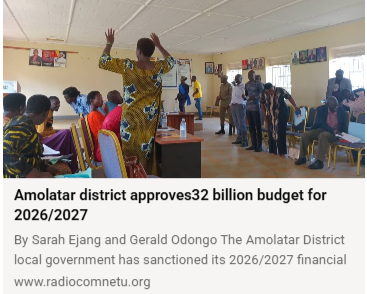 Gerald Odongo is among Media Trained Change Agents and he shared this as an example of how his learning from the project has enhanced his standing and livelihood. He took the photo and it went viral.
Human Development
A cadre of change agents who are endowed with mindsets and attitudes that are attuned towards a disposition for:
- Frugality
- A culture of saving for investment
- Investing in income generation
- Ethical job creation for self-employment
- Financially literate decision-making
Change agents who are pro-actively engaged in knowledge generation and dissemination at household level within their respective communities.
Quality of Life Improved
Beneficiary households will attain improved quality of life and testify that knowledge learned because of participation in the project and or being in contact with project trained change agents contributed to the improved quality of life.
Culture of Savings Adopted
Project trained change agents will adopt a culture of saving for investment, including being active members of saving clubs/groups.
Income generation
Project trained change agents will establish and operate their own viable income generating activities and or group owned income generating activities which pay out dividends to their investors.
Leadership Nurtured
Project trained change agents will offer themselves to be leaders; and will be elected community leaders. Members of beneficiary households will offer themselves and will be elected in leadership positions; and or will participate in electing leaders.
Social Capital and Active Citizenship Enhanced
Project trained change agents will stimulate the formation of community groups and associations, through which communities have formal linkages with their respective local governments. And beneficiary households will be linked to service providers (government, NGOs, private sector, etc.).
Gender Equality and Equity Promoted
Children of beneficiary households are enrolled in higher education in relatively similar numbers of boys and girls.
Ultimately, contributing to CPAR Uganda’s vision of healthy communities, living a good quality of life, during which their rights are resepcted.

