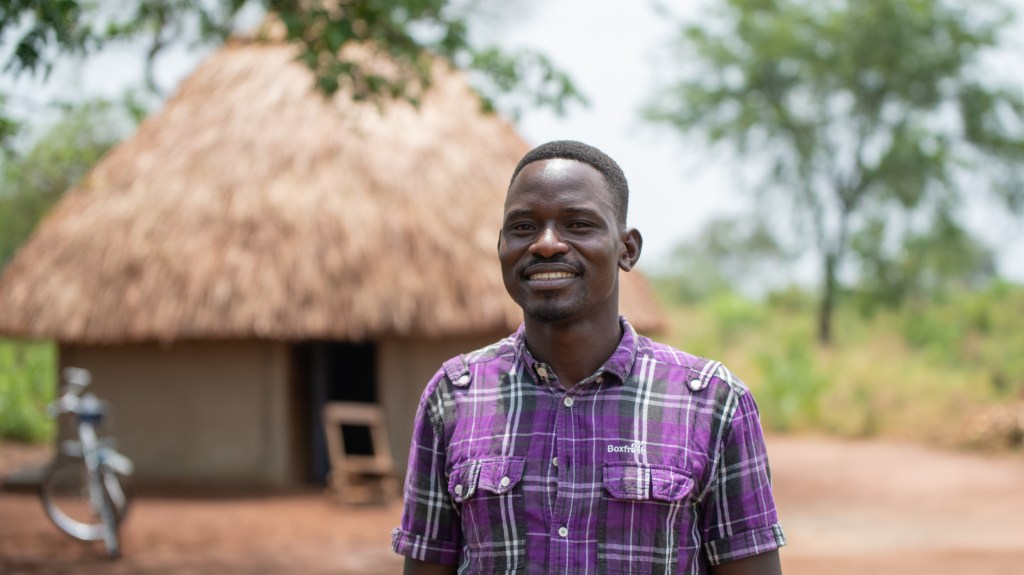
In rural Uganda there is a generation of young women and men who are the first in their family to go to school. Most do not have jobs. Many also participate in local institutions: churches, courts, committees.
- What changes are poorer, educated, often unemployed youth bringing to these institutions?
- What ways does their participation reconfigure gender issues? What concepts and categories do youth use to understand what they are doing?
Available research on education focuses on learning outcomes and economic impact, or on spread of modern attitudes among male urban youth. Much less is known about changes youth are bringing to rural communities.
Our “Challenging Categories – Educated Youth as Institutional Innovators in Rural Uganda” research programme is designed with and by young people, and in partnership with a Ugandan community organisation. Through an interdisciplinary approach that brings the voices of young people centre stage, we examine participation in local institutions to challenge understandings of youth, education and unemployment.
This text herein above is the project abstract authored by the Principal Investigator
Funded by the British Academy, our challenging categories research project will start in April 2021 and will be implemented through to December 2022, if all goes well. It was initially planned for April 2020 to December 2021, but our plans were disrupted by the breakout and rapid spread worldwide of the highly infectious and deadly coronavirus COVID-19.
Under the mentorship and supervision of our Managing Director, Ms. Norah Owaraga, eight young innovators, unemployed university graduates from disadvantaged communities of the Greater Northern Uganda, who are beneficiaries of our project: “Mentoring young adults into innovators against poverty,” will be selected and they will be part of our challenging categories project research team.


 CPAR Uganda
Leave a reply to Dr. Ocen on Study I: Cohort of educated young women and the gendered politics of courts – CPAR Uganda Ltd Cancel reply